


Introduction
Effects of mycotoxins
Aflatoxins
Fumonisins
Ochratoxins (OTA)
Pre-Harvest Interventions
Resistant varieties
Biocontrol
Good agricultural practices (GAP)
Analytical approach to mycotoxins
Conclusion
Introduction
Mycotoxins are the toxic secondary metabolites produced by certain fungi that can contaminate food and feed, posing health risks to humans and animals. These mycotoxins are produced by toxigenic mold and cause potent effects on human health and economic development (Petrović et al., 2023). An estimated 25% of the world’s food crops are believed to be contaminated by mycotoxins, which cause significant losses in trade and agricultural productivity (Alshannaq and Yu, 2017; Pandey et al., 2023).
Occasionally, several mycotoxins appear simultaneously, raising the risk for users (Awuchi et al., 2021). The three genera Aspergillus, Fusarium, and Penicillium are home to the most prevalent mycotoxin-producing fungi (Ismaiel and Papenbrock, 2015) (Fig. 1). Aspergillus produces aflatoxins (AFs), especially B1 and B2, which cause significant economic losses in agriculture and healthcare, and pose serious health risks, including liver cancer and other severe health issues. (Sultan et al., 2024). Fusarium produces deoxynivalenol (DON), fumonisins (FUMs), and zearalenone (ZEN), affecting agricultural products (Adetunji et al., 2014) such as wheat, maize, and barley (Muthomi et al., 2008). For example, research has demonstrated that the coexistence of AFs, FUMs, and DON can increase health hazards since the ways in which these toxins interact are not entirely understood (Abdullah et al., 2025; Ezekiel et al., 2021). The possibility of synergistic interactions between various mycotoxins adds complexity to risk assessments, emphasizing the importance of thorough monitoring and strict regulation (Eskola et al., 2020). Prolonged exposure to low concentrations of mycotoxins, such as AFs, can cause liver cancer, while other mycotoxins have been linked to kidney damage and weakened immune function (Mafe and Büsselberg, 2024; Mamo et al., 2020). Pregnant women in rural Bangladesh consumed certain mycotoxins, including citrinin (CIT), at levels that pose a public health concern (Kyei et al., 2022). Studies in the Netherlands and France have shown that exposure to low levels of mycotoxins could pose health risks to children (Pustjens et al., 2022). The transfer of mycotoxins across the placenta to the developing foetus highlights the critical need to tackle mycotoxin contamination in the food supply (Kyei et al., 2022).
Ensuring food and feed safety is essential, as contamination from physical, chemical, and biological sources can cause diseases (Mader et al., 2023). Microorganisms like viruses, fungi, and bacteria thrive in conditions with moisture, oxygen, and high temperatures, impacting food from cultivation to processing (Karanth et al., 2023). Fig. 1 summarizes the most common mycotoxin-producing fungi with their associated mycotoxins and effects to crops.
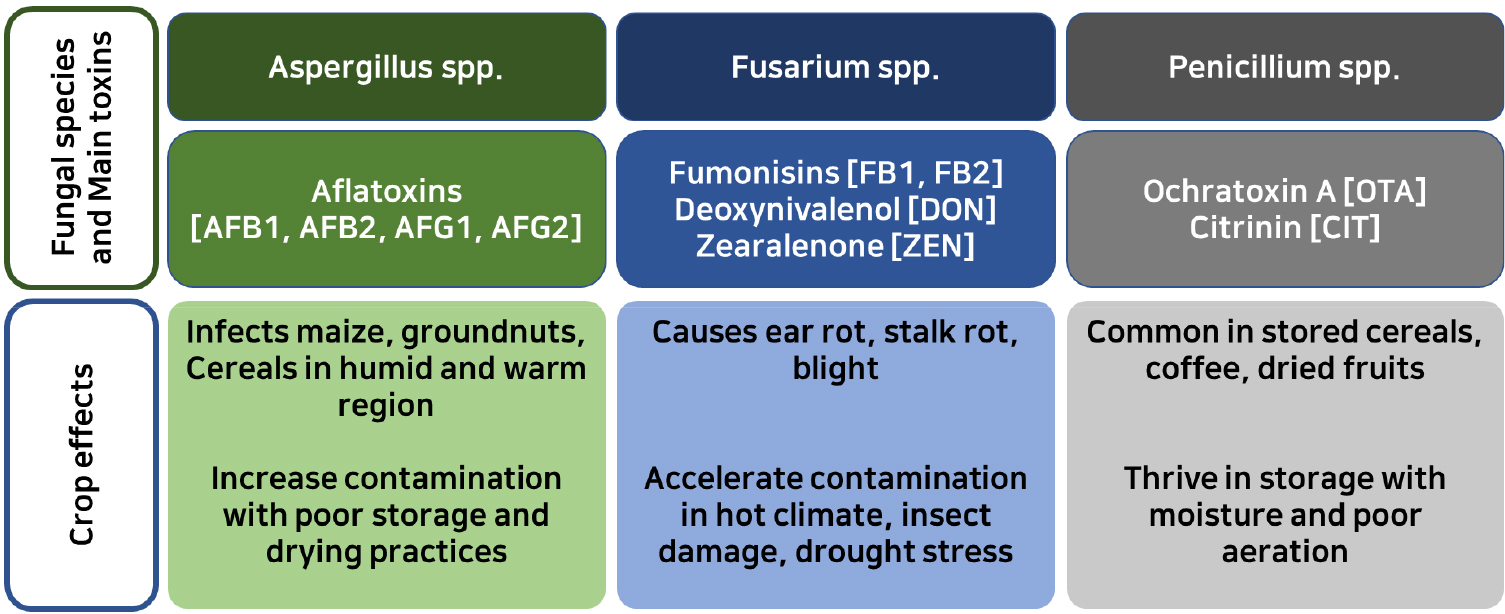
The prevalence of mycotoxins in agriculture is a global concern and is directly related to the environmental conditions in which moulds can be viable (Khan et al., 2024). Temperature, Carbon dioxide levels, and rainfall variations greatly influence to their growth in agriculture (Zingales et al., 2022). Aspergillus flavus and Fusarium verticillioides thrive between 15-30°C, with optimal growth at 30°C, emphasizing the role of climate conditions (Leggieri et al., 2019). Also, agricultural practices and storage methods for the products influence the prevalence (Omotayo et al., 2019) as they accelerate fungal growth and mycotoxin formation (Oluwakayode et al., 2024). The climate condition is the main driving factor in the production, as are other factors such as awareness, farming systems, regulatory limits, and detection techniques (Ngum et al., 2022). Sub-Saharan Africa is facing a significant mycotoxin problem, starting in the field and intensifying during storage as the environment promotes mould development (Adetunji et al., 2014). Both developing and developed countries are facing serious mycotoxin issues (Petrović et al., 2023). In Europe, the same situation is happening as illustrated by (Loi et al., 2023). Again, mycotoxin analysis performed in America, Asia, Oceania, and Europe showed that 81% of the 21,781 feed samples were found to contain at least one mycotoxin (Rodrigues and Naehrer, 2012).
This review paper aims to enlighten the pre-harvest practices that will contribute to the mitigation of mycotoxin contamination in food and feeds, thereby protecting and nourishing the well-being of humans and animals. Good agricultural practices (GAP) refer to a collection of guidelines, norms, and procedures designed to guarantee the production of sustainable, safe, and healthy agricultural products. It covers all stages of food production, from planting and growing to harvesting, processing, and distribution. GAP, resistant seed varieties, and biocontrol are the interventions that help in mitigating the mycotoxin contamination. GAP such as crop rotation help in breaking the life cycle of infectious micro-organisms. On the other hand, the resistant seed varieties help to reduce plant stress, which often accelerates the accumulation of mycotoxins. Biocontrol has shown a promising sign of mitigating mycotoxins by using endemic atoxigenic strains of counterpart toxic strains. For efficient and effective alleviations of mycotoxin contamination, these three interventions are more effective when used jointly.
Effects of mycotoxins
Due to the high severity of mycotoxins and their types, effective strategies must be implemented to reduce human exposure and protect both human health and animal feed from contamination (Fig. 2). Exposure to AFs during pregnancy can impact fetal development and is linked to perinatal mortality and a higher risk of liver cancer (Kościelecka et al., 2023). In addition, recent studies have indicated that AFs will account for 4.6-28.2% of global hepatocellular carcinogenesis (Syafinatunnajah et al., 2023), the third leading cause of cancer-related deaths worldwide (Haque et al., 2020).
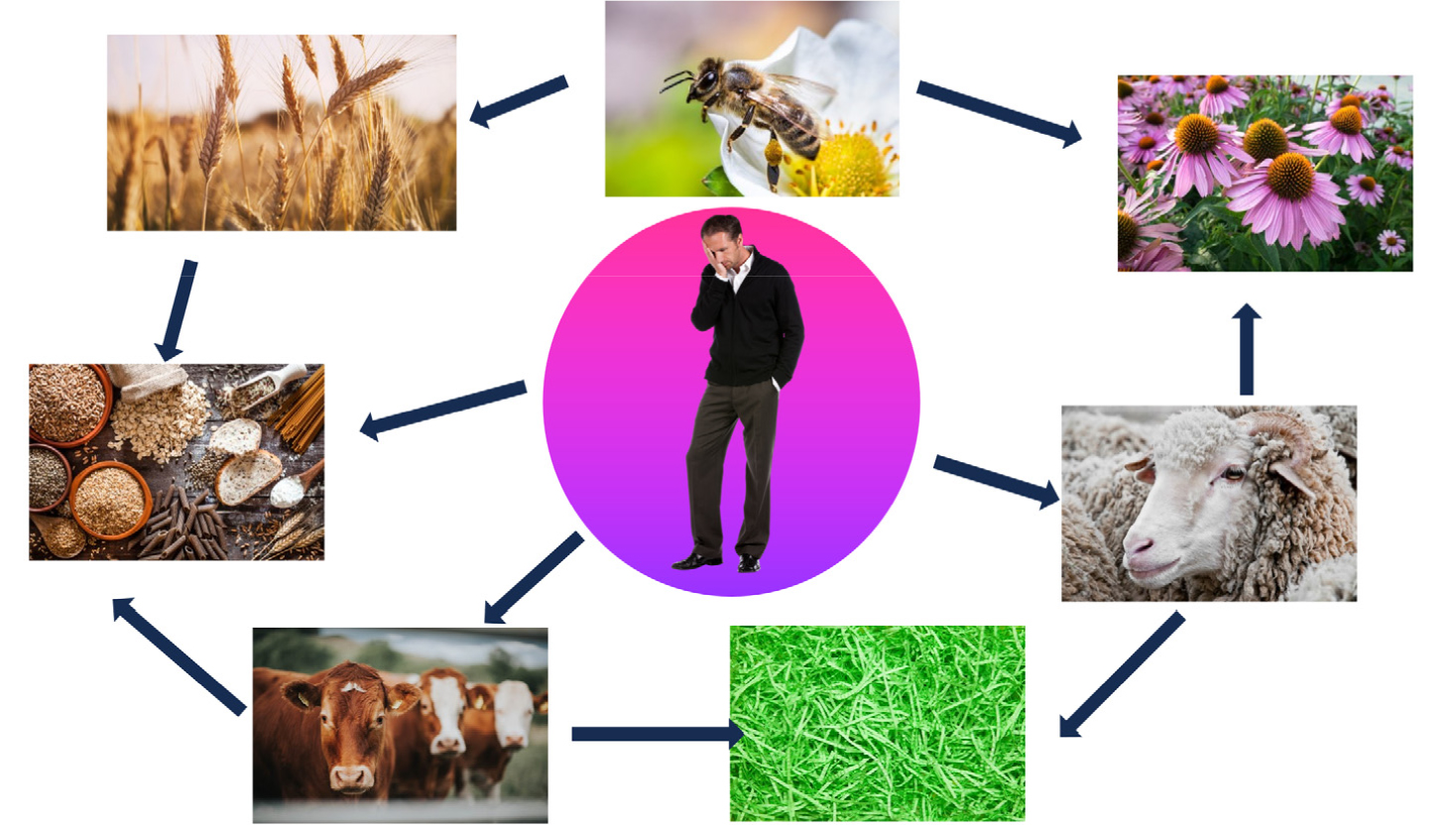
Mycotoxins are associated with contaminating 25% of the global food, as pointed out in a report of the Food and Agriculture Organization (Moretti et al., 2017). This causes the food losses mostly in cereals such as wheat, corn, rice, barley, oat, rye, and millet (El-Sayed et al., 2022). The losses are accelerated due to the employment of poor agricultural practices in all stages of crops, from the cropping stage to storage (Andriani et al., 2024). Animals that eat tainted feed develop poisons in their cells, which infect humans who eat animal-derived foods like meat, milk, etc. (Kępińska-Pacelik and Biel, 2021). Fungal species like Fusarium spp., Penicilium spp., have significant effects on human health and life-threatening diseases (Al-Falih, 2024). Kenya experienced several incidences of acute poisoning from mycotoxicosis in 1981 after the consumption of contaminated maize (Kibugu et al., 2022). Again in 2004, 500 outbreaks were recorded, with 400 cases of infestation and 200 deaths (Mahuku et al., 2019). Table 1 organizes the types of mycotoxins that frequently occur in the pre-and post-harvest stages of cereal grains.
Table 1.
The most associated mycotoxins with cereal grains following pre- and post-harvest contamination (Bryden, 2012).
The regulation of mycotoxin levels is crucial for the safety of food and feed to protect the health of humans and animals (Milićević et al., 2010). Regulatory agencies like the FDA, WHO, FAO, and EFSA set limits on mycotoxin levels in food and feed to ensure consumer safety (Agriopoulou et al., 2020), Several analytical techniques are employed by the FDA mycotoxin program to identify distinct mycotoxins (Khan et al., 2024); however, each technique focusses on a single mycotoxin or class of mycotoxins (Cai et al., 2020). African countries in the East African Community (EAC), COMESA, and ECOWAS have been focused on reducing mycotoxin levels to ensure food safety (Ortega-Beltran and Bandyopadhyay, 2021). As awareness of mycotoxins like AFs increased, the African Union Commission issued directives and established an African working group under the Comprehensive Africa Agriculture Development Programme (CAADP) in 2011 to tackle AFs control. (Chilaka et al., 2017). Ongoing research and awareness efforts aim to develop strategies to mitigate the prevalence of mycotoxins and ensure the safety of global food supplies (Ortega-Beltran and Bandyopadhyay, 2021).
Aflatoxins
AFs are the secondary metabolites that belong to the class of organic compounds called furanocoumarins. four major types of AFs, aflatoxins G1 (AFG1), aflatoxins G2 (AFG2), aflatoxins B1 (AFB1) and aflatoxins B2 (AFB2). Due to their highest level of toxicity, numerous studies have been done looking for mitigation measures since their discovery in 1960. They are the most well-known mycotoxins and are produced naturally by certain Fungi, such as Aspergillus parasiticus, Aspergillus nomius, and Aspergillus flavus. AFs are found in food and feeds and are produced by fungi in humid and warm conditions.
AFs pose serious health issues to human beings and animals compared to other forms of mycotoxins (Agriopoulou et al., 2020). Variables such as animal type, age, health, species, breed, dosage, and exposure duration significantly influence the severity of AFs infections. AF exposure for at least 8 hours through skin contact, ingestion, or inhalation can cause carcinogenic, teratogenic, hepatotoxic, and mutagenic effects (Wen et al., 2014). Research conducted worldwide, including in China, Kenya, Malaysia, and India, shows that AFs can cause acute aflatoxicosis (Bisrat, 2024), leading to symptoms such as vomiting, edema, and abdominal pain (Liew and Mohd-Redzwan, 2018). It can also result in chronic aflatoxicosis, which may lead to hepatocellular cancer (Bisrat, 2024). Furthermore, AFs can lead to lung cancer, gastrointestinal tract, and kidney damage in bovines (Li et al., 2019). Poor food storage and drying methods pose a risk to over 5 billion people, especially in tropical and subtropical regions with high humidity and temperatures (Alp and Bulantekin, 2021).
Fumonisins
Fumonisins (FUM) are mycotoxins found in food and animal feeds, produced by Fusarium species such as Fusarium verticillioides and Fusarium proliferatum (Marin et al., 2013). They share structural similarities with sphinganine and sphingolipids (Kim et al., 2020). Fusarium verticilloides produces FUM type B1 and B2, where B1 has carcinogenic effects such as tumour and edema to rodents (Anumudu et al., 2025). Fusarium verticillioides, found in all maize species, significantly affects corn samples, living within plant tissues without causing illness (Omotayo et al., 2019). Hot climate, insect damage, and temperature stress can accelerate FUM in maize, leading to blight, stalk, and ear rot (Roucou et al., 2021). A case study in Nigeria found mycotoxins in maize, rice, cocoa, and cocoa-based powder beverages, indicating a high prevalence of FUM in these food products (Imade et al., 2021). Contaminated maize grains in South-Africa, China, and Italy have led to esophageal cancer in humans and animals (Chilaka et al., 2017). The ingestion of FUM-contaminated maize in China, Italy, and along the Texas-Mexico border causes abnormalities that cause neural tube defects in developing infants during pregnancy (Ortiz et al., 2015).
Ochratoxins (OTA)
OTA, which is among the mycotoxins, has been shown to be teratogenic, immunotoxic, nephrotoxic, hepatotoxic, and neurotoxic (Cimbalo et al., 2020). This substance is linked to renal tumors, testicular cancer, and acute renal failure when inhaled for at least 8 hours in a closed storage grain (Awuchi et al., 2021). Studies indicate that pigs exhibit a highly sensitive reaction to nephropathy, as they experience kidney failure when exposed to OTA (Reddy and Bhoola, 2010). Again, chick, quail, rabbit, hamster, rat, and mouse studies showed teratogenicity, where the newborn babies had cranial facial abnormalities and reduced birth weight (Heussner and Bingle, 2015).
Pre-Harvest Interventions
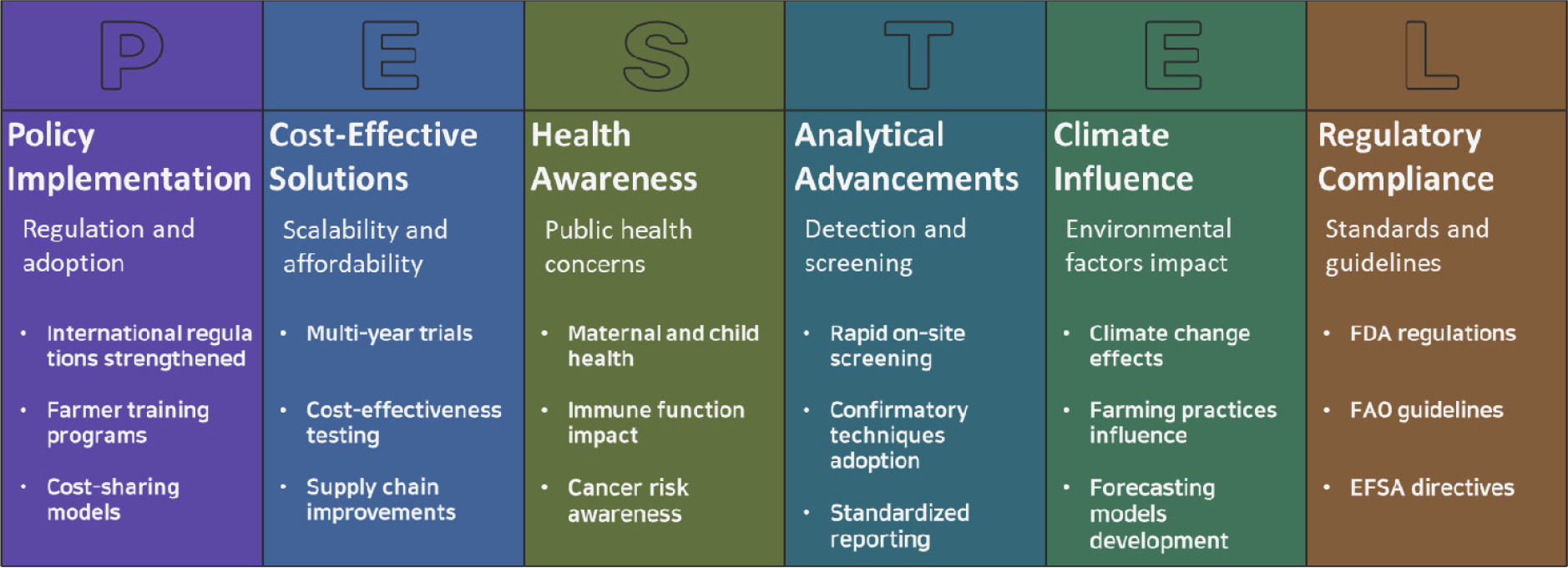
Mycotoxins affect crops from growth to harvesting, with vulnerability varying between major crop varieties and subsequent contamination. Maize and rice are the major crops with high and low vulnerability to mycotoxigenic fungi contamination, respectively (Latham et al., 2023). Fungal contamination is elevated due to plant stress, which is accelerated by water scarcity, intense nutrient competition, high temperatures, plant diseases, and insect infestations (Damianidis et al., 2018; Krnjaja et al., 2019). Good handling of crop practices and timely harvesting might be the profound reason for mitigating AFs contamination (Sultan et al., 2024). Damaged seeds during sowing should be removed, and the choice of resistant varieties can be a means of reducing the risk of contamination (Oppong et al., 2022). Resistance to mycotoxins in pre-harvest crops can be significantly mitigated using resistant hybrid varieties, good agricultural practices, and biological control measures (Dövényi-Nagy et al., 2020). Fig. 3 presents the summary of recent research trends in mycotoxins in crop production.
Resistant varieties
Given their significance in mitigating the effects of mycotoxigenic contamination, breeding programs for disease-resistant seed varieties, whether private or public, are urgently needed (Mesterházy et al., 2012). The development of resistant inbred lines and hybrids is a promising method to reduce mycotoxin contamination and diseases caused by A. flavus and F. verticillioides (Stagnati et al., 2020). Institutions like CIMMYT, IITA, and SERAT are producing inbred lines and hybrids resistant to mycotoxigenic fungi, including A. flavus and AF contamination, to suppress contamination (Warburton et al., 2022). Evaluation which has been done by Stagnati et al. (2020) on maize breeds originated from Italian, US, and Canadian breeding, 17 out of 46 performed well in resisting AER and FER, also Brown et al. (2016), their evaluation exhibited the possibility of reducing mycotoxin contamination using resistant inbred lines and hybrids. Mahuku et al. (2019) study found that both local and hybrid maize seeds in Kenya contain mycotoxins, indicating increased consumption of aflatoxin beyond the accepted standard (Table 2).
Table 2.
Prevalence and descriptive statistics of aflatoxin B1 (AFB1) in maize collected from farmer’s fields in Eastern and Southwestern regions of Kenya and proportions of maize samples with AFB1 levels (Mahuku et al., 2019).
Biocontrol
Biocontrol intervention is a cost-effective and environmentally friendly method for suppressing AFs contamination, competing with fungi AFs producers (Agbetiameh et al., 2019). Identifying vulnerable crop stages to AFs attacks and applying non-aflatoxigenic genotypes to suppress contamination is crucial for efficient endemic non-aflatoxigenic biocontrol before the flowering stage (Jung et al., 2024). Additionally, selecting the biocontrol agent should consider the strains that cannot produce other mycotoxins (Kagot et al., 2019).
The competitive exclusion of non-aflatoxigenic strains led to a decrease in the A. flavus population and a minimized level of AFs due to competition for nutrients (Hruska et al., 2014). According to Atehnkeng et al. (2014) in Nigeria and Argentina, native endemic strains of A. flavus successfully lower the population of A. flavus and the concentrations of AFs in treated grains, leading to a 65–95% decrease in field and stored grains. Zanon et al. (2022) and (Agbetiameh et al., 2019) demonstrated endemic atoxigenic A. flavus strains mitigated AFs concentrations on maize and ground nuts. Research shows endemic atoxigenic A. flavus strains are superior in colonizing toxigenic A. flavus, making them ideal for mitigating AFs concentrations in high-risk contaminated areas (Agbetiameh et al., 2019).
The mitigation of AFs concentration is not only achieved through the selection of endemic atoxigenic strains but also depends on weather conditions, farm field hygiene, and seed inoculation rate (Torres et al., 2014). Furthermore, biocontrol must be employed along by appropriate agricultural practices paired with post-harvest treatments such sorting and adequate storage (Kagot et al., 2019). Lavkor et al. (2019) study in Turkey found that non-toxigenic afla-guard bio-pesticide significantly reduced Afs contamination in peanuts, compared to control plots (Table 3).
Table 3.
Effect of biological control treatments on aflatoxin contamination of peanuts in harvest, drying, and pre-storage periods in 2015 and 2016 (Lavkor et al., 2019).
| Treatment | Harvest | Drying | Pre-storage | Harvest | Drying | Pre-storage |
| % Effect (Abbott) | ||||||
| 2015 | 2016 | |||||
| Soil1 | 99.82 | 99.41 | 99.82 | 90.29 | 90.10 | 91.64 |
| Multiple2 | 99.68 | 99.04 | 99.24 | 91.38 | 90.66 | 92.39 |
| Foliar3 | 98.44 | 97.38 | 98.93 | 90.02 | 89.07 | 91.29 |
The efficient reduction of cyclopiazonic acid and AFs by organic volatile chemicals and extrolites of non-aflatoxigenic strains can be a potential method for AFs mitigation (Moore et al., 2019). Aspergillus species produce various extrolites compounds, including asperfuran, aspergillic acid, aspirochlorin, citreoisocoumarin, cyclopiazonic acids, ditryptophenaline, flavimin, kojic acid, miyakamides, paspaline, and paspalinine, to suppress AF concentrations. (Frisvad et al., 2019). Since excessive extrolites secretion might result in health problems including diarrhea and stomach upset, it is essential to choose biocontrol strains that do not cause these problems (Peles et al., 2021).
The profound strategies to be considered for desired results in controlling and minimizing the AFs concentrations are formulation and application of respective biocontrol strains (Prajapati et al., 2020). Three bioformulations based on A. flavus and A. parasiticus, including solid-state fermented rice, Pesta, and pregelatinized corn flour granules, were found to effectively reduce AFs in peanuts (Unnevehr and Grace, 2013), these forms were inoculated with spores of atoxigenic strains of A. flavus and/or A. parasiticus and found to be efficient and long term viable in suppressing AFs concentrations (Peles et al., 2021), similarly in Argentina the single and mixed inoculated three bioformulations based on A. flavus AFCHG2 and ARG5/30 strains were applied on maize (Zanon et al., 2022).
For biocontrol isolation, bioplastic is used to coat seeds with non-toxic fungal spores, which take the place of cereals like sorghum, barley, and wheat. The starch-based bioplastic granules effectively reduced AFs concentrations in corn kernels by entrapping nontoxigenic A. flavus spores in the soil. Research investigates the use of bioplastic-coated seeds combined with endemic atoxigenic strains and traditional biopesticides to lower AFs concentrations before planting (Accinelli et al., 2018). Insecticides or fungicides are added to the film coating, and seeds are coated with bioplastic based on starch and biopesticides to lower AF concentrations without compromising crop yields. also, studied the bioplastic starch-based covering reduced AFs concentrations without affecting the viability and growth of maize seeds and seedlings when applied to maize kernels (Moral et al., 2020).
Good agricultural practices (GAP)
No way of hindering mycotoxin formation at any stage of crop production from the growth up to the processing stage, as the fungal spores are readily available to the plant debris. Properly managing debris and residue through burying can create humus in the soil, increasing nutrients and potentially eliminating waste from the farm field. Most of the time, the soil-borne diseases are incorporated into the soil by cultivating a single crop for an extended period. High humidity and water activity affect mycotoxin production, attracting insects, microorganisms, and diseases. Early harvesting crops with a high risk of mycotoxin can lessen vulnerability, while delaying can increase crop contamination and fungal infections in high-risk. Maintaining ideal temperature and air circulation, along with plant spacing, reduces crop losses, prevents fungal spores and AFs, and promotes better quality and high yields.
Good agricultural practices, including crop rotation and resistant varieties, and post-harvest measures like proper drying, storage, and monitoring, help minimize mycotoxin contamination in stored crops (Phokane et al., 2019). GAP enhances crop quality and quantity by reducing insect infestations and losses (Ngum et al., 2022), while pre-harvest strategies like crop rotation, intercropping, and fertilizer use minimize mycotoxin formation risk (Daou et al., 2021). By disrupting the infectious cycle of insects, crop rotation and intercropping significantly limit the production of mycotoxins while enhancing soil fertility and supplying nutrients (Mir et al., 2022). Legumes give more nitrogen than maize; therefore, cultivating them together reduces the availability of maize AFs, whereas growing them alone raises the danger of mycotoxicosis (Baijukya et al., 2016).
Analytical approach to mycotoxins
Mycotoxin analytical detection has advanced significantly, and several techniques have been developed to guarantee precise and effective screening. The two primary categories of this analytical approach, screening procedures and confirmatory methods, each have specific functions in mycotoxin analysis (Jesna et al., 2024). Screening methods, such as enzyme-linked immunosorbent assays (ELISA) and lateral flow immunoassays (LFAs), are designed for rapid and preliminary detection of mycotoxins (Sharma et al., 2023). These techniques are especially helpful in field situations where prompt outcomes are required. For example, Wu et al. (2020) The study showcased the effectiveness of immunoassays in on-site testing by developing a calibration curve-implanted ELISA for quantitatively assessing multiple mycotoxins in cereal samples. Nji and Mwanza, (2024) showed the value of rapid screening techniques by analyzing South African maize for three years using liquid chromatography and tandem mass spectrometry (LC-MS/MS). Furthermore, Zhang et al. (2017) study, used amorphous carbon nanoparticles to successfully detect three Fusarium mycotoxins in maize, demonstrated the promise of multiplex LFA development.
Conversely, confirmatory techniques are necessary for precise mycotoxin identification and quantification. Because of their great sensitivity and specificity, methods like (LC-MS/MS) are regarded as the gold standard (Płaza-Altamer et al., 2024). In mycotoxin detection techniques, the combination of stable isotope dilution with LC-MS/MS improves accessibility, efficiency, and quantification while permitting remote extraction (Malachová et al., 2018). Additionally, Pantano et al. (2021) demonstrated the adaptability of this strategy by highlighting the use of the QuEChERS method in combination with LC-MS/MS for detecting mycotoxins in cereal goods and spices. Another noteworthy development is the incorporation of high-resolution mass spectrometry (HRMS), which enables the simultaneous identification of many mycotoxins, including newly discovered pollutants (Lapris et al., 2024).
Although immunoassays yield data quickly, they might not be specific enough to meet regulatory requirements, thus confirming techniques must be used (Csenki et al., 2023). A thorough mycotoxin analysis approach requires the use of both screening and confirmatory procedures as they enable quick evaluation and thorough characterization of contamination levels (Tittlemier et al., 2023).
Conclusion
The hygiene of the farm field plays a significant role in determining the occurrence of mycotoxins; for instance, the crop residues may contain fungal spores of toxigenic strains when they are left on the field. Good agricultural practices, resistant cultivars, and the use of biocontrol of non-toxigenic strains of counterpart toxigenic strains showed a promising sign of mitigating mycotoxin concentration. Furthermore, the use of starch-based bioplastic formulation to coat the kernel seeds containing the non-toxigenic fungal spore and biopesticide has become more efficient in suppressing mycotoxin contamination and still maintaining environmental friendliness. For better results, these methods should be employed altogether to ensure the safety of the food from the field to the plate.
We recommend prioritizing integrated pre-harvest packages that combine atoxigenic biocontrol with resistant cultivars, optimized planting dates and irrigation where feasible, and residue and rotation management, tailored to local agroecological risk profiles to maximize and stabilize reductions in mycotoxin contamination. Measurement and reporting should be standardized by using validated analytical methods (preferably LC-MS/MS or HPLC-FLD with QA/QC), presenting effect sizes with confidence intervals, clearly stating sample sizes, seasons and locations, and reporting the proportion of samples below regulatory thresholds to enable cross-study comparisons and policy relevance. Region-specific decision-support should be embedded into practice by leveraging forecasting of heat, drought, and insect pressure to guide planting windows, irrigation scheduling, and the timing of biocontrol or fungicide applications. Adoption pathways must be strengthened by pairing interventions with farmer training, reliable input supply chains for biocontrol products, and cost-sharing mechanisms, while documenting cost-effectiveness and scalability across smallholder and commercial systems. Finally, compliance and transparency gaps should be closed by including PRISMA-style review methods, data availability statements with accessible evidence tables, and standardized declarations for funding, conflicts of interest, and permissions.
A short research agenda emerges from these priorities. Multi-year, multi-location trials are needed to quantify the performance and stability of integrated packages under climate extremes and varying pest pressures, explicitly reporting heterogeneity and moderators. Comparative effectiveness and economic evaluations should test leading strategies head-to-head, integrating full cost, yield, and risk metrics alongside adoption studies. Delivery innovations warrant investigation, including improved formulations and seed or soil delivery systems for biocontrol, with rigorous assessments of persistence, ecological safety, and resistance risks. Data standards should be advanced by building open repositories of harmonized field-trial datasets to enable robust meta-analyses and calibration of risk models. Finally, climate-informed risk models that integrate remote sensing and seasonal forecasts should be prospectively validated to optimize intervention timing and inform policy and extension at regional scales.