

-
Research Article
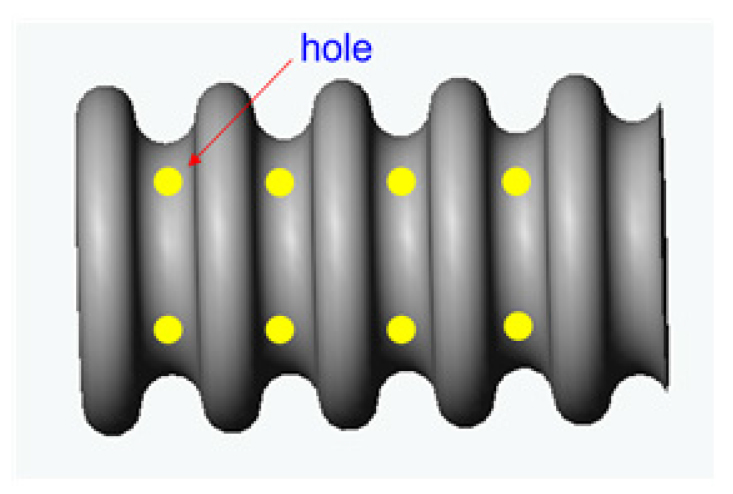
- Simulation of integrated irrigation and drainage with buried perforated corrugated pipe in upland fields using HYDRUS-2D
- Jongsoon Kim, Jong Min Park
- Buried perforated corrugated pipes have been proposed as dual-purpose systems for subsurface irrigation and drainage in upland fields. This study evaluated the …
- Buried perforated corrugated pipes have been proposed as dual-purpose systems for subsurface irrigation and drainage in upland fields. This study evaluated the hydraulic performance of a buried perforated corrugated pipe equipped with a V-shaped impermeable sheet using the HYDRUS-2D model. The pipe was installed at a depth of 45 cm, and soil water movement during irrigation and drainage was simulated under controlled boundary conditions. During irrigation, water supplied through the perforations moved upward and reached soil depths of 35, 30, and 25 cm after approximately 10, 36, and 80 minutes, respectively. The increase in soil water content was greatest near the pipe and gradually decreased toward the soil surface. The V-shaped impermeable sheet effectively reduced downward water loss, promoted upward water movement, and increased the soil water content in the root zone by approximately 3.9% compared with the configuration without the sheet. During drainage, soil water moved efficiently toward the perforated pipe, although the impermeable sheet caused a slight reduction in the drainage rate. Overall, this proposed system effectively enhanced water movement into the root zone while maintaining satisfactory drainage performance. These findings demonstrate the potential of the system as an integrated subsurface water management technology for precision agriculture. The simulation results provide practical information for optimizing pipe design and supporting automated irrigation and drainage management to improve water-use efficiency and crop production in upland fields. - COLLAPSE
-
Review Article

- Disease detection and precision chemical application for upland row crops: A review
- Cholet Nyangoma Atulinda, Hongbin Jin, Md Mamunur Rashid, Md Nasim Reza, Kyeong Sik Choi, Jong-Su Lee, Sun-Ok Chung
- Upland row crops, including maize, soybean, wheat, potato, cotton, peanut, sorghum, and pepper, are essential to global food, feed, fiber, and vegetable …
- Upland row crops, including maize, soybean, wheat, potato, cotton, peanut, sorghum, and pepper, are essential to global food, feed, fiber, and vegetable production. Their productivity is increasingly constrained by plant diseases, labor shortages, climate variability, and the economic and environmental costs of conventional pesticide application. This review synthesizes recent advances in disease detection and precision chemical application technologies for upland row crops, with emphasis on imaging-based sensing, machine learning and deep learning, variable-rate spraying, sensor-controlled nozzles, unmanned aerial vehicles, and autonomous robotic platforms. Conventional uniform spraying generally ignores the spatial distribution, severity, and developmental stage of disease, often resulting in excessive chemical use, increased production costs, environmental contamination, and accelerated pathogen resistance. In contrast, precision crop protection integrates early disease detection with site-specific treatment to improve application efficiency. RGB, multispectral, hyperspectral, and thermal imaging provide complementary information for symptom identification, physiological stress detection, disease detection, and severity assessment. Deep-learning models support automated classification, detection, segmentation, while real-time detectors such as YOLO offer favourable speed–accuracy trade-offs for field deployment. However, performance can decline under occlusion, variable illumination, complex canopies, limited datasets, and domain shifts across cultivars, growth stages, seasons, and location. Precision application systems, including variable-rate boom sprayers, UAV sprayers, machine-vision-guided nozzles, and autonomous ground robots, can further reduce unnecessary pesticide use by targeting infected plants, canopy regions, or high-risk zones. However, practical adoption remains limited by crop-specific canopy complexity, environmental variability, dataset limitations, model generalization, sensing–actuation synchronization, canopy penetration, and insufficient long-term field validation. Future research should focus on integrated, crop-specific systems combining multimodal sensing, lightweight artificial intelligence, edge computing, autonomous navigation, disease-risk prediction, and variable-rate application to enable reliable and sustainable precision crop protection. - COLLAPSE
-
Research Article

- Priority analysis of smart agriculture-based sustainable agriculture evaluation factors using an integrated AHP-Fuzzy approach
- SanHo Kim, MinSun Kim, GunIl Bae
- This study aimed to prioritize evaluation factors for smart agriculture-based sustainable agriculture by integrating the Analytic Hierarchy Process (AHP) with fuzzy set …
- This study aimed to prioritize evaluation factors for smart agriculture-based sustainable agriculture by integrating the Analytic Hierarchy Process (AHP) with fuzzy set theory. The evaluation framework consisted of six major dimensions—economic, environmental, social, and technological sustainability, governance, and government policy—and 24 sub-factors. Data were collected from 254 experts and stakeholders in fields related to smart agriculture and sustainable agriculture. First, AHP was applied to estimate the relative weights and structural priorities of the evaluation factors. The importance ratings were transformed into triangular fuzzy numbers (TFNs), and the confidence ratings were converted into confidence coefficients and applied to the TFNs, followed by defuzzification to derive defuzzified values (DVs). Finally, an integrated AHP-Fuzzy index was obtained by combining the AHP weights with the defuzzified values. The results showed that economic sustainability had the highest priority among the six major dimensions, followed by technological, environmental, and social sustainability, governance, and government policy. Among the 24 sub-factors, big data-based production forecasting ranked first, followed by increased farm income, improved quality of life, reduced pesticide use, and data-driven agricultural management. In particular, agricultural data platform development, water-soil-low-carbon agricultural technologies, and AI-based agricultural decision-making systems showed relatively higher priorities in the integrated analysis than in the AHP-only analysis. These findings indicate that sustainable smart agriculture requires an integrated approach that goes beyond technology adoption by linking agricultural data collection and analysis with production forecasting and decision-making and by extending technological benefits to economic, environmental, and social outcomes. - COLLAPSE
-
Research Article
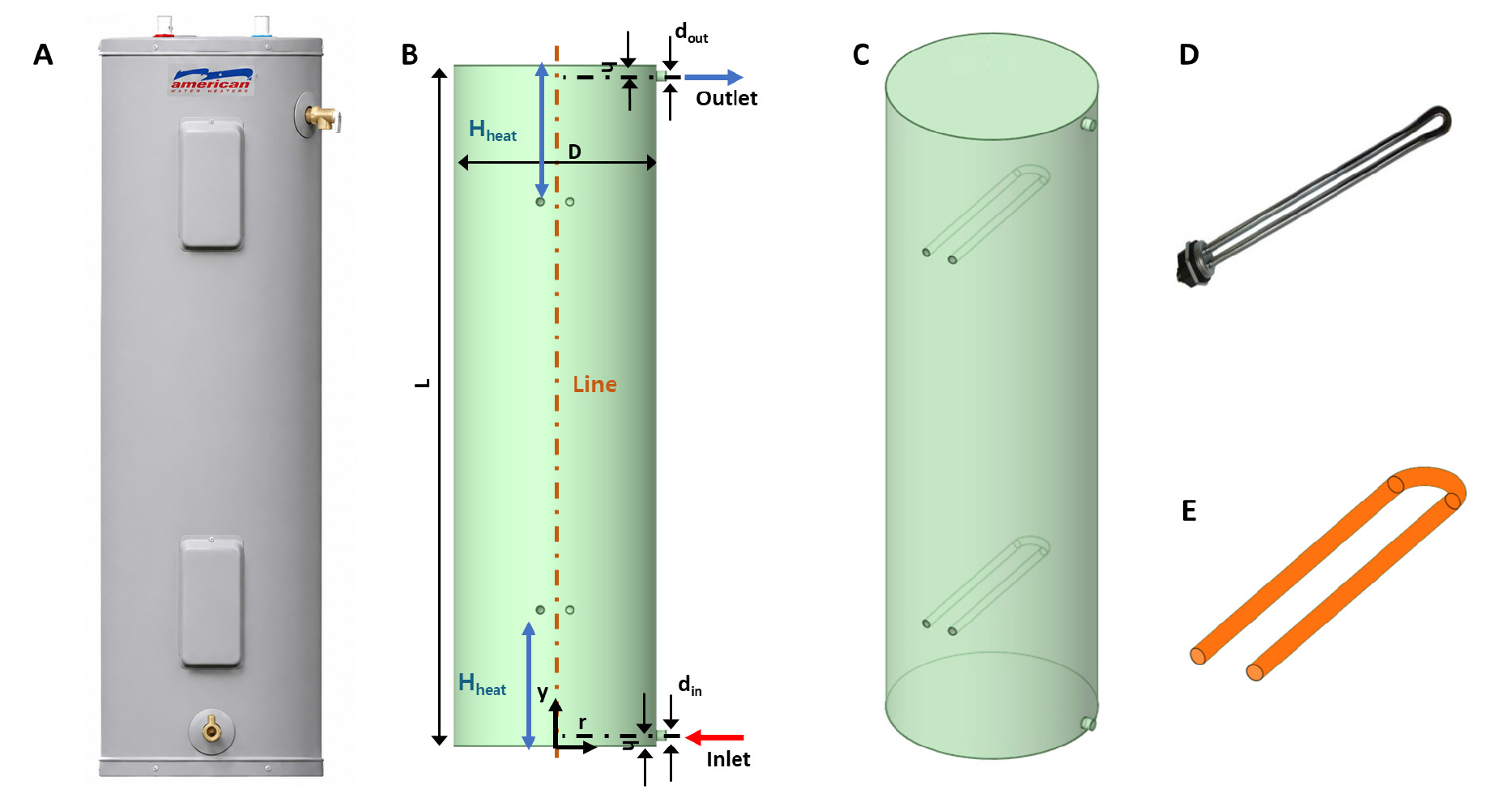
- Unsteady CFD analysis of thermal stratification characteristics in a P2H hot water thermal storage tank
- Sungwan Park, Yo-seph Lee, Hoon Seonwoo
- Surplus electricity and power output fluctuations from photovoltaic and wind systems are important challenges with increasing renewable energy use. Power-to-Heat (P2H) technology …
- Surplus electricity and power output fluctuations from photovoltaic and wind systems are important challenges with increasing renewable energy use. Power-to-Heat (P2H) technology converts surplus electricity into thermal energy, and hot water thermal storage tanks are essential for improving energy utilization. In this study, three-dimensional unsteady Computational Fluid Dynamics (CFD) simulations were performed to analyze the thermal behavior and stratification characteristics of a P2H hot water thermal storage tank, focusing on the tank as a single component of the P2H system rather than system-level performance. The effects of tank height, tank diameter, inlet and outlet port positions, mass flow rate, initial tank temperature, inlet fluid temperature, heater installation position, and heater operation mode were investigated using a dimensionless thermocline thickness as a quantitative stratification index. Tank height and diameter mainly affected the initial thermal response, with differences among cases narrowing over time. Inlet and outlet port positions affected the diffusion path of cold inlet water and the maintenance of the upper hot water layer. Mass flow rate was the dominant operating factor: the dimensionless thermocline thickness increased from 0.17 to 0.86 as the flow rate rose from 0.05 to 0.20 kg/s. These geometry and flow-rate effects reflect combined changes in tank volume, residence time, and cumulative inflow rather than independent parametric effects. In contrast, initial tank and inlet fluid temperature had limited effects on relative thermal behavior. Heater position and operation mode strongly affected natural convection and temperature distribution; upper-heater-only operation maintained the most stable stratification (thermocline thickness as low as 0.09), whereas the dual-heater case (3000 W, twice the power) showed a thicker thermocline (up to 0.69). These findings indicate that tank geometry, flow conditions, and heater operation strategies significantly influence thermal stratification and should be considered together in the design and operation of P2H hot water thermal storage tanks. - COLLAPSE
-
Research Article
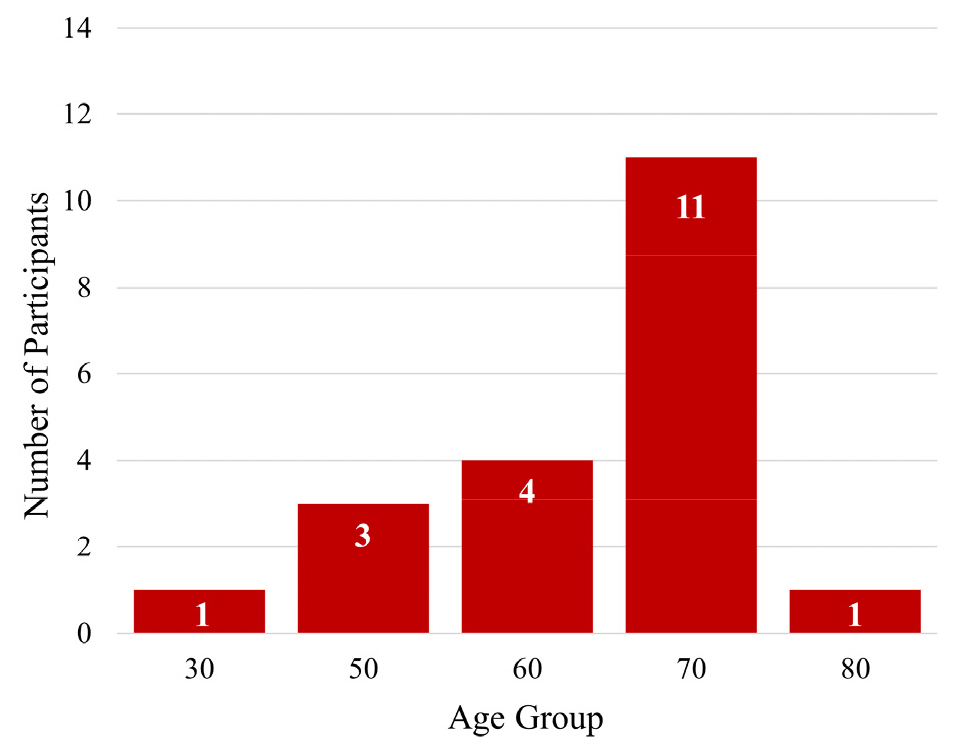
- A survey on compliance with heat-illness prevention guidelines among floriculture farmers
- Joon-Hyung Park, Jeong-Hun Kim, Hyun-Jin Cho, Ju-Seok Nam
- This study investigated the level of compliance with heat-illness prevention guidelines among floriculture farmers during summer agricultural work. A survey was conducted …
- This study investigated the level of compliance with heat-illness prevention guidelines among floriculture farmers during summer agricultural work. A survey was conducted with 20 floriculture farmers (13 male, 7 female) using a 14-item self-check checklist developed by the Rural Development Administration (RDA), covering four stages: pre-work preparation, in-work monitoring, post-work recovery, and additional recommendations. The overall compliance rate was 84.7%, ranging from a high of 100% in the post-work recovery stage to a low of 76.7% in the in-work monitoring stage, since this stage requires interrupting work or performing repeated actions at set intervals, making it more difficult to implement in the field. Items requiring sustained self-management during work, such as water intake, rest, and periodic symptom checks, showed relatively low compliance, indicating that farmers tend to prioritize work efficiency over these repetitive behaviors. A sex-based comparison revealed that male farmers showed higher compliance than female farmers for personal protective equipment, and female respondents showed lower compliance across several in-work monitoring items, particularly rest, suggesting that structural and social factors may compound environmental heat exposure risks for female farmers. All surveyed farms cultivated flower crops in facility environments, with 10 farms using facility cultivation only and 10 combining facility and open-field cultivation. These findings provide baseline data for developing heat-illness prevention education and support measures for floriculture farmers. - COLLAPSE
-
Research Article
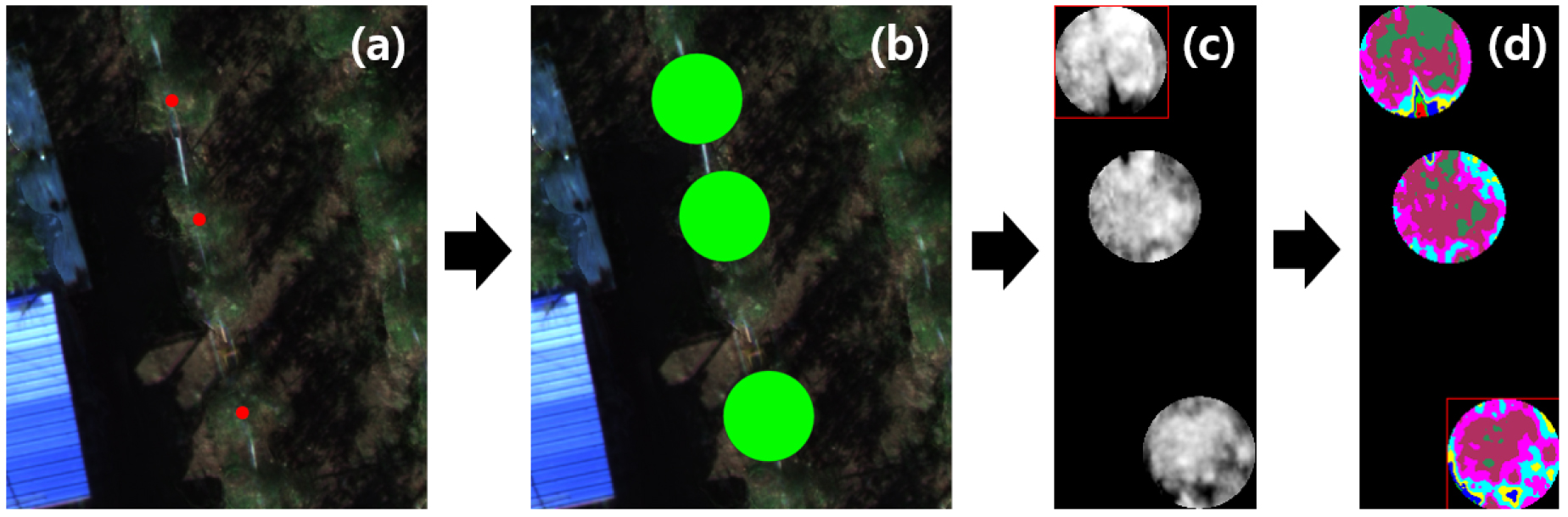
- Pre-harvest prediction of apple soluble solids content using UAV based multispectral imagery
- Chang-Hyeok Park, Chan-Seok Ryu, Gang-In Je, Ho-Jun Kwon, Ye-Seong Kang, Do-Hyun An, Ji-An Kim, Gang-Jin Lee, Si-Hyeong Jang
- This study developed and validated machine learning models for predicting the pre-harvest soluble solids content (SSC) of apples using only vegetation indices …
- This study developed and validated machine learning models for predicting the pre-harvest soluble solids content (SSC) of apples using only vegetation indices derived from UAV-based multispectral imagery. A total of 39 'Fuji' apple trees across 10 orchards in Andong, Gyeongsangbuk-do, Republic of Korea, were surveyed over two growing seasons (2024–2025). Imagery was acquired at noon on 17 September 2024 and 16 September 2025 using a Trinity F90+ fixed-wing UAV equipped with an Altum-PT multispectral sensor, flown at an altitude of 150 m with 75% overlap, yielding a ground sample distance (GSD) of 3.17 cm/pixel. Following radiometric calibration, mosaicking, and pansharpening, vegetation and background were separated using NDVI, and ARI, GLI, and NDVI rededge were extracted at the individual tree level. Using SSC measured with a handheld refractometer as the dependent variable, multiple linear regression (MLR) and k-nearest neighbor regression (KNR) models were constructed and evaluated by leave-one-out cross-validation (LOOCV) in terms of R2, RMSE, and MAPE. At the validation stage, MLR yielded an R2 of 0.55, a MAPE of 9.21%, and an RMSE of 1.34 °Brix. These results confirm that individual-tree SSC can be estimated non-destructively and without contact from canopy-level spectral information alone, and provide evidence supporting the potential use of this approach for orchard-scale maturity assessment and harvest timing decisions in precision agriculture. - COLLAPSE
-
Research Article
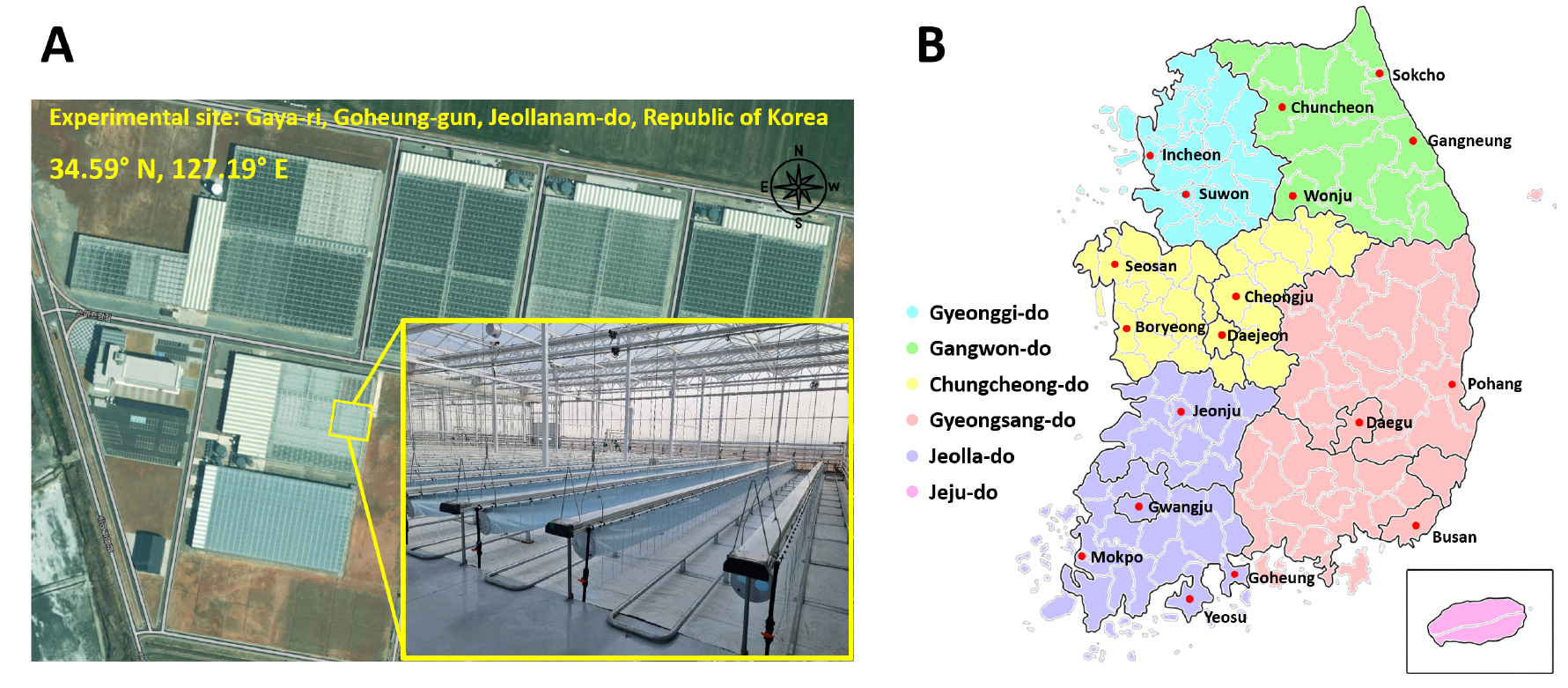
- Assessment of greenhouse energy demand and renewable energy supply potential across regions in the Republic of Korea using TRNSYS-CONTAM
- Gwangshim Kim, Sungwan Park, Yoseph Lee, Hoon Seonwoo
- Greenhouse energy demand and renewable energy availability vary with regional climate, requiring location-specific system design for efficient and low-carbon greenhouse operation. This …
- Greenhouse energy demand and renewable energy availability vary with regional climate, requiring location-specific system design for efficient and low-carbon greenhouse operation. This study evaluated greenhouse heating and cooling loads and the supply potential of solar thermal, photovoltaic (PV), and wind energy across 18 inland and coastal regions of the Republic of Korea using a coupled TRNSYS-CONTAM model. A Venlo-type glass greenhouse in the Goheung Smart Farm Innovation Valley was used as the reference facility. The model was validated against indoor air temperature measured from June to October 2025, showing good agreement between measured and simulated temperatures, with NSE, R2, and MAPE values of 0.874-0.913, 0.895-0.944, and 3.474-5.499%, respectively. Because the validation period excluded winter and no heating-energy measurements were available, the loads are interpreted as relative inter-regional comparisons. Using regional meteorological data from 2021 to 2025 (2025 only for Goheung, Boryeong and Sokcho), mean annual heating and cooling loads ranged from 323,331 to 631,811 MJ and from 210,740 to 287,762 MJ, respectively. Inland regions showed higher mean loads than coastal regions (heating +16.3%, cooling +5.2%, total +12.3%), but only the total load differed significantly (p = 0.011). Solar thermal and PV production was relatively high in southern areas, including Busan, Yeosu, and Goheung, although the coastal–inland difference was not significant (p > 0.20), while wind production varied considerably and was particularly high in coastal regions such as Yeosu and Mokpo, averaging 6.0 times the inland value (p < 0.001). The solar thermal collector area matching annual heating demand ranged from 69.9 to 160.9 m2, and equivalent PV and wind capacities for total annual demand from 86.3 to 148.5 kW and from 258.8 to 30,198.2 kW. These results highlight the importance of jointly considering regional energy demand and renewable energy resources when designing renewable energy systems for energy-independent smart greenhouses. - COLLAPSE
-
Review Article
- Detection of carbendazim and chlorpyrifos residues in apples: A review of emerging sensor technologies
- Md. Rajibur Rahaman Khan, Donat Thomas Shukuru, Harisoa Nicole Ranaivo, Joanna Rose Angayen, Khamis Machano Ali, Tusan Park
- Apples are among the most widely consumed fruits worldwide and are frequently consumed raw, making them an important route of dietary exposure …
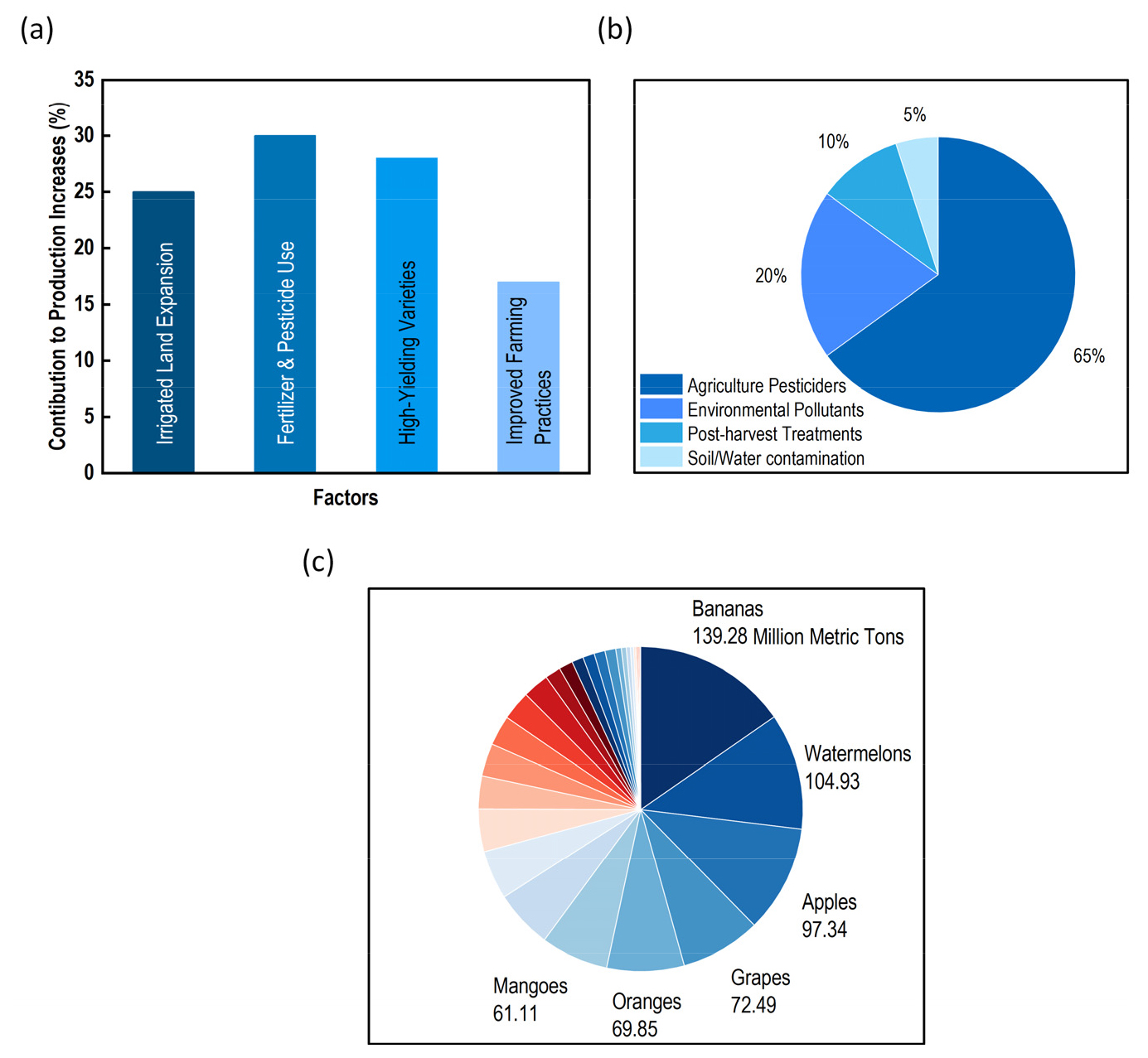
- Apples are among the most widely consumed fruits worldwide and are frequently consumed raw, making them an important route of dietary exposure to pesticide residues. Carbendazim (CBZ) and chlorpyrifos (CPF) are widely used fungicides and insecticides in apple production because of their effectiveness against fungal diseases and insect pests. However, concerns regarding their persistence, toxicity, and potential health effects have led to restrictions or bans in several regions. This review critically examines 45 peer-reviewed studies on sensor-based technologies for detecting CBZ and CPF residues in apples. The reported sensors were classified into electrochemical, optical, and biosensing platforms. Electrochemical sensors accounted for the largest category (54% of the studies) and demonstrated excellent analytical performance. The lowest reported detection limit for CBZ was achieved by a polymer-aptasensor (0.08 fM). In contrast, the lowest reported detection limit for CPF was achieved by an aptamer-based ECL sensor (0.35 fM). Optical sensors, particularly surface-enhanced Raman scattering (SERS) and aptamer-based platforms, offered broad detection ranges and high selectivity. However, their average detection limits were generally higher than those of electrochemical sensors. Most reported sensors exhibited detection limits well below the benchmark maximum residue limits (MRLs) used for comparison, highlighting their suitability for food safety monitoring and regulatory applications. Among the sensing materials reviewed, metal–organic frameworks (MOFs), nanocomposites, and aptamer-functionalized interfaces demonstrated analytical performance. Overall, electrochemical and aptamer-based sensing platforms show significant potential for rapid, sensitive, on-site detection of pesticides. This review provides an overview of recent advances in sensor technologies for monitoring CBZ and CPF. It offers insights for the development of next-generation portable devices for food safety, agricultural monitoring, and environmental applications. - COLLAPSE

Journal Informaiton
 Precision Agriculture Science and Technology
Precision Agriculture Science and Technology








 Korean Society of Precision Agriculture
한국정밀농업학회
대구광역시 북구 대학로 80, 경북대학교 농업생명과학대학 4호관 605호
Tel: 053-950-6891 / E-mail: kspaknu21@gmail.com Copyright© Korean Society of Precision Agriculture. Powered by APUB
Tel: 053-950-6891 / E-mail: kspaknu21@gmail.com Copyright© Korean Society of Precision Agriculture. Powered by APUB